Ceramic coatings can show uneven results around complex body contours because sharp creases, recessed vents, and tight curves cause liquid polymers to pool unevenly, flash at inconsistent speeds, and resist uniform microfiber leveling. When excess resin accumulates along sculpted edges without precision multi-angle buffing, it cures into dark, hazy high spots or streaked finishes. Mastering these intricate transitions requires dividing panels into compact zones, using compliant applicators, and inspecting every curve under multi-spectrum lighting before the polymer cross-links.
The Fluid Dynamics and Geometry Behind Contour Challenges
Modern vehicles are engineered with dramatic styling, from aggressive front splitters and deeply sculpted fender flares to recessed door handles and sharp hood creases. While these lines give cars, trucks, and SUVs unmistakable character on the road, they create real technical challenges when applying liquid nano-ceramic coatings. Unlike a flat hood or roof panel where an applicator glides evenly, complex bodywork changes angles constantly.
When vehicle owners research ceramic coating in Clayton, NC, they want a finish that looks like liquid glass across every inch of their ride, not glossy doors paired with hazy streaks along the bumper vents. Understanding how liquid coatings behave around sharp geometry explains why professional application technique makes all the difference.
Capillary Pooling and Variable Flash Times
Two physical behaviors cause most uneven results on curved or recessed bodywork:
- Edge & Crease Accumulation: Surface tension naturally pulls liquid silicon dioxide (SiO2) resin into sharp body folds, badge recesses, and panel seams. When an applicator pad presses against an acute angle, the foam compresses and squeezes extra liquid right into the crease, leaving a thick ridge of product while pulling coverage thin on the adjacent peak.
- Thermal & Airflow Differences: Recessed bumper pockets, lower rocker panels, and steep vertical curves experience different airflow and surface temperatures than flat horizontal panels. Because carrier solvents evaporate at different speeds across these zones, one section may reach its optimal wiping window while an adjacent curve is still wet, leading to smearing or premature tackiness during leveling.
Step-by-Step Precision Application Protocol for Sculpted Panels
Achieving a uniform, streak-free mirror finish across intricate bodywork relies on five disciplined steps in the detailing bay:
- Multi-Stage Contour Paint Correction: Using compact 1-inch to 3-inch rotary and dual-action polishers to remove factory swirl marks and micro-haze inside tight curves before any coating touches the clear coat.
- Micro-Sectioning Complex Geometry: Dividing sculpted bumpers, grilles, and fenders into compact 12×12-inch working zones rather than attempting to coat an entire panel in one pass.
- Flexible Suede & Edge-Controlled Application: Using compliant foam-core suede applicators with featherlight, even pressure to prevent liquid resin from squeezing out into panel gaps and trim edges.
- Two-Towel Cross-Angle Leveling: Executing an initial gentle knockdown wipe with a short-nap microfiber towel followed immediately by a final plush microfiber buff across multiple angles to eliminate high spots.
- High-CRI Inspection Verification: Checking every curve and crease under multi-temperature LED inspection lights from both low and high angles before the coating fully cross-links.
Precision Multi-Angle Leveling vs. Rushed Full-Panel Application
The difference between a seamless, glass-like finish and an uneven, blotchy job comes down to patience, lighting, and section control. Rushed installations treat every surface like a flat table, whereas precision installers adapt their pad pressure and buffing angles to match every contour of the vehicle.
Operational Differences in Contour Coating Execution
| Application Factor | Precision Contour Execution | Rushed / Amateur Application |
| Working Zone Size | Compact micro-sections tailored to curves & recesses | Oversized panel sweeps that flash unevenly before wiping |
| Applicator Pressure | Featherlight, controlled contact to prevent edge pooling | Heavy hand pressure squeezing excess resin into crevices |
| Buffing & Leveling Technique | Two-stage, multi-angle plush microfiber leveling | Single quick pass missing recessed folds and sharp edges |
| Inspection Lighting | Multi-angle, high-CRI handheld & bay LED arrays | Overhead shop lights only, hiding dark high spots until cured |
| Cured Visual Result | Seamless, uniform mirror gloss across every body line | Hazy streaks, rainbow smears, and darkened high spots |
Applying Our Core Standards to Master Complex Contours
At WashNWerk Detailing and Ceramic Coatings, we are proud to be your trusted partner in vehicle care and protection. Serving drivers across Raleigh, Wake Forest, and Knightdale, we combine our background as a certified coating installer with 20+ years of experience to deliver excellence in vehicle care with transparent service. Being local and family-owned, and focused on building relationships, we believe every car, truck, RV, or boat deserves dependable, quality care for your most valuable assets, backed by our no-hidden-fees guarantee.
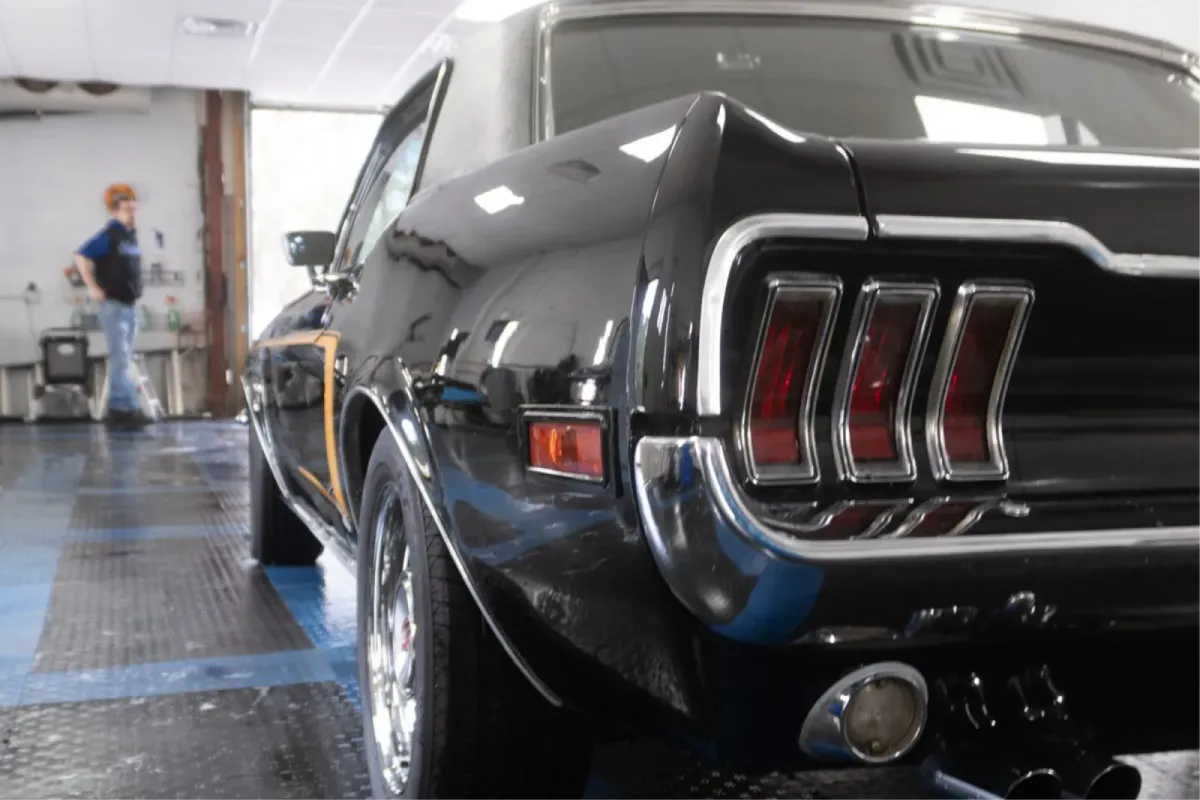
When tackling intricate bodywork and sharp aerodynamic curves, we focus on long-term protection, not quick fixes, by using top-quality products, locally sourced and expertly applied in a controlled studio environment. Our careful micro-sectioning and multi-angle inspection process ensures you maintain that showroom shine for years to come without streaks, haze, or missed crevices. Once cured, your finish works continuously to protect against fading, oxidation, and chemical stains, allowing you to spend less time cleaning, more time enjoying your ride, and spend less time on maintenance and more on the road. Above all, client satisfaction is our promise, so you can enjoy peace of mind with every service, knowing your vehicle was treated right.
For drivers searching for dependable ceramic coating in Clayton specialists, working with a certified, relationship-focused shop ensures every curve and crease looks flawless from every angle.
Debunking the “Self-Leveling Coating” Myth: Why Precision Hand-Buffing Matters
Industry Myth: “Modern ceramic coatings are completely self-leveling; you just wipe them across the whole car, and they automatically smooth themselves out into an even glass finish.”
The Reality: While high-grade liquid ceramic polymers have natural surface tension that helps them flow smoothly across flat panels, they cannot defy gravity or capillary action inside sharp creases, grilles, or recessed vents. Without disciplined micro-sectioning and thorough two-towel leveling by a trained installer, excess product pooled along body lines will cure unevenly, locking in dark high spots that require machine polishing to remove.
Choosing an experienced Clayton ceramic coating installer who checks every contour under high-CRI inspection lights eliminates that guesswork, guaranteeing uniform clarity across both flat surfaces and intricate trim lines.
Achieve Flawless, Uniform Gloss Across Every Curve
Your vehicle’s sculpted lines and body contours deserve a mirror-smooth finish with zero streaks, high spots, or shortcuts. At WashNWerk Detailing and Ceramic Coatings, our friendly, knowledgeable team takes pride in delivering transparent pricing, honest guidance, and meticulous craftsmanship that leaves you proud every time you walk up to your ride.
Whether you drive a daily commuter, weekend sports car, family SUV, or RV around Clayton, NC, we are here to protect your investment for the long haul. Contact us today for a free quote or to schedule your appointment for trusted ceramic coating care!
Frequently Asked Questions
What does an uneven ceramic coating “high spot” look like?
A high spot typically looks like a dark smudge, oily rainbow streak, or hazy patch along a body crease, edge, or trim line that refuses to wipe away with a dry microfiber towel because the resin has already hardened.
Can uneven ceramic coating streaks be fixed after they cure?
Yes, though they cannot simply be wiped off by hand. Once a ceramic coating fully cross-links, high spots must be safely leveled by lightly machine-polishing the affected section with fine abrasive polish and reapplying a fresh, properly leveled layer of coating.
Why do modern sports cars and SUVs require extra care during ceramic coating?
Modern vehicles feature aggressive aerodynamic vents, sharp fender flares, recessed door handles, and multi-angle bumpers. These intricate shapes require smaller applicator pads, shorter flash-time monitoring, and multi-angle lighting checks to prevent uneven resin buildup.
How do humidity and temperature affect ceramic coating leveling?
Higher heat and humidity accelerate solvent evaporation, shrinking the safe wiping window and increasing the risk of streaks around tight contours if the installer works too large an area at once.