
Agricultural coatings handle repeated exposure to mud, water, and debris by utilizing ultra-low surface energy chemical formulas that create an impenetrable, slick barrier preventing moisture and soil from gripping the metal. These industrial-grade polymers resist abrasive scouring from flying rocks and aggressive chemical washout, ensuring heavy-duty farm equipment remains fully protected against corrosion and structural wear season after season.
The Technical Science of Surface Energy and Abrasion Resistance
Understanding how specialized industrial coatings withstand relentless punishment from wet soil, manure, and high-velocity debris requires examining molecular adhesion dynamics. When raw steel or agricultural implements are coated with cross-linked polyurethane or ceramic-infused industrial resins, the surface energy drops so low that wet mud and organic acids slide off effortlessly rather than clinging and initiating rust.
Key Agricultural Coating Specification Definitions
- Low Surface Energy (LSE): The molecular property that prevents water, mud, and chemical slurry from forming a tight chemical bond with the coated implement surface.
- Taber Abrasion Resistance: The standardized measure of how well a coating withstands repetitive physical friction and scouring from abrasive sand, dirt, and gravel.
- Sacrificial Barrier Shield: A tough, elastic polymer layer designed to absorb kinetic impacts from flying stones, preventing chips from reaching the bare metal.
| Protective Coating Type | Mud & Soil Release | Impact Resistance | Corrosion Defense Level |
| Standard Factory Enamel Paint | Poor; mud sticks and bakes on hard | Moderate; chips easily under flying rocks | Low; rust develops quickly at stone-chip sites |
| Industrial Polyurethane Armor | Good; sheds wet soil smoothly | High; absorbs kinetic shock effectively | High; seals out moisture and chemical salts |
| Advanced Ceramic-Infused Polymer | Exceptional; highly slick and non-stick | Maximum; resists severe abrasive scouring | Maximum; impervious to fertilizers and slurry |
During a recent equipment protection project for a family farm, our technical team examined how dense red clay and heavy seasonal moisture accelerate structural wear on tractor frames and tillage implements. Implementing a specialized agricultural coatings solution allowed the operation to prevent wet soil from baking onto critical components, drastically reducing daily cleanup time and protecting the bare steel from abrasive scouring.
Chronological Stages of Agricultural Coating Defense Under Extreme Field Conditions
Protecting tractors, combines, and heavy implements through intensive planting and harvesting cycles requires understanding how industrial coatings perform during active field use. When commercial operators and farmers seek reliable agricultural coatings in Wake Forest for durability, following an established preparation and application workflow ensures maximum resistance against harsh field conditions.
- High-Pressure Slurry Impact
Wet mud, clay, and crop debris strike the implement at high speeds, while the low-surface-energy coating prevents wet soil from packing into thick, heavy clumps.
- Abrasion and Friction Deflection
Abrasive sand and gravel slide harmlessly across the elastic polymer layer without wearing through to the bare steel substrate.
- Chemical and Moisture Repellency
Aggressive liquid fertilizers, livestock waste, and standing water sheet off instantly, denying moisture the oxygen contact needed to spark rust.
- Effortless End-of-Day Washdown
High-pressure water rinses away stubborn field residue in a fraction of the usual time, dramatically reducing equipment turnaround hours.
We routinely assist agricultural producers and equipment owners from surrounding communities like Raleigh, Knightdale, and Rolesville through these rigorous protection phases. Ensuring that every agricultural coatings in Wake Forest, NC application is executed with precision guarantees that your hard-working machinery withstands abrasive soils and corrosive chemicals without premature breakdown.
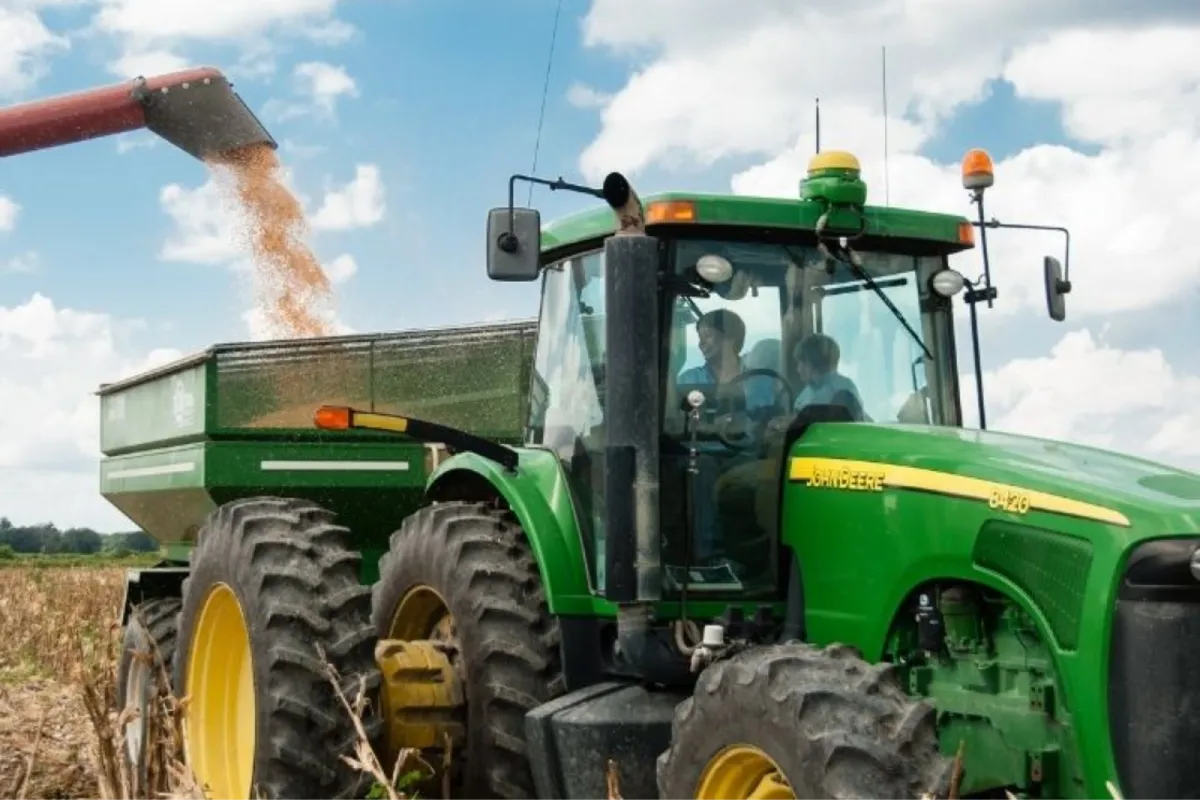
How-to: Inspecting and Maintaining Agricultural Equipment Coatings
Determining whether your heavy machinery’s protective coating is maintaining its structural integrity or sustaining localized abrasive wear can be evaluated through a structured inspection routine. Follow these core steps:
- Perform a Post-Wash Visual Scan: Inspect high-wear areas such as plowshares, grain augers, and tractor frame rails under bright light immediately after high-pressure washing.
- Check for Edge Delamination: Look closely at welded seams and bolt holes where moisture tends to creep beneath compromised coating edges.
- Assess Hydrophobic Performance: Spray clean water onto implement surfaces; tightly beaded water droplets confirm the protective polymer barrier is fully active and undamaged.
Whether you manage an expansive commercial farming operation or maintain private utility vehicles, executing this inspection routine safeguards your capital investments. Utilizing high-performance Wake Forest agricultural coatings prevents minor stone chips from evolving into severe structural corrosion.
Debunking the Myth: “Standard Automotive Paint and Farm Implement Enamel Offer the Same Protection as Industrial Agricultural Coatings”
A widespread agricultural misconception is that standard retail implement paint or generic automotive clear coats provide enough durability to withstand the punishing combination of abrasive mud, chemical fertilizers, and heavy field debris.
In reality, standard retail enamels are designed primarily for aesthetic color coverage rather than physical abuse. They lack the cross-linked tensile strength and extreme abrasion resistance required to survive constant sand-blasting and wet-soil friction. Once standard paint suffers a minor stone chip, moisture infiltrates the gap, causing rust to creep invisibly underneath the surface. Professional agricultural coatings utilize specialized industrial chemistry engineered specifically to endure harsh farm environments without premature failure.
Elevating Your Equipment Protection Standards
To address the demanding challenges of modern farming, where equipment downtime directly impacts your bottom line and harsh soils constantly threaten your machinery, we anchor our coating and protection processes in a rigorous quality framework.
At WashNWerk Detailing and Ceramic Coatings, Wash NWerk comes across as a family-owned, relationship-focused, quality-driven shop. We position ourselves as “Your trusted partner in vehicle care and protection,” emphasizing friendliness and dependability while bringing over 20 years of professional expertise to every project. Guided by excellence with transparency, long-term protection over quick fixes, and client satisfaction as our absolute promise, we ensure you enjoy complete peace of mind.
When you entrust your tractors, trucks, RVs, boats, or farm equipment to our certified installers, we execute a meticulous process designed to deliver high-quality coatings for tractors, farm equipment, and more. Our advanced polymers actively enhance durability and longevity with protective coatings, featuring custom coating solutions tailored to your equipment needs. As a family-owned, quality-driven shop serving Rolesville, Raleigh, Wake Forest, and surrounding NC communities for over 20 years, we remain dedicated to helping you safeguard against harsh outdoor conditions and wear. By utilizing top-quality products that are locally sourced and expertly applied, we help you prevent corrosion and reduce maintenance costs, allowing you to extend the lifespan of your farm equipment. Grounded in excellence with transparent service, we provide long-term protection, not quick fixes, because client satisfaction is our promise. You can rely on our dependable, quality care for your most valuable assets, giving you total peace of mind with every service so you can spend less time on maintenance and more on the road.
Protect Your Farm Equipment Today
Leaving your valuable tractors, trailers, and implements exposed to abrasive mud and corrosive moisture leads to premature structural rust and costly equipment downtime. You don’t have to battle endless cleanup and equipment degradation when WashNWerk Detailing and Ceramic Coatings provides professional industrial coatings and expert craftsmanship to help protect your equipment.
Contact us today to schedule your agricultural equipment protection consultation, and experience the ultimate return of durable defense, effortless cleanup, and long-lasting peace of mind!
Frequently Asked Questions
Can agricultural coatings be applied to older, used farm equipment?
Yes, provided the equipment undergoes thorough pressure washing, chemical degreasing, and abrasive media blasting to remove existing rust and ensure proper bonding.
Do industrial coatings protect equipment against chemical fertilizers and pesticides?
Yes. Specialized agricultural polymers are chemically inert and prevent corrosive liquid nitrogen, ammonia, and pesticides from etching into steel surfaces.
How do non-stick coatings reduce daily maintenance labor?
By preventing wet clay and mud from baking onto implement frames, non-stick coatings allow operators to wash down machinery in minutes instead of hours.
Are agricultural coatings safe for grain storage augers and chutes?
Yes. High-grade industrial polymers used on agricultural equipment are smooth, inert, and help prevent grain binding while resisting abrasive friction.
How long do professional agricultural coatings last in harsh field conditions?
When professionally applied over properly prepared metal, high-end industrial agricultural coatings provide resilient protection for many years of heavy field use.