Paint correction reveals hidden defects because the mechanical polishing process strips away embedded surface contamination, traffic film, and oxidized micro-layers that previously acted as an optical filler. Once these obscuring layers are leveled away, light reflects directly off the true clear coat substrate, exposing underlying swirl marks, RIDS, and etching that were previously masked.
The Technical Science of Optical Masking and Substrate Leveling
Understanding why a freshly polished panel suddenly exposes hidden flaws involves examining how light refracts across contaminated clear coats. When a vehicle’s surface is coated in static road grime, fine mineral deposits, and microscopic industrial fallout, those pollutants fill minor valleys in the paint, acting as a natural, opaque glaze that blurs incoming light rays.
Key Paint Correction and Optical Masking Definitions
- Optical Filling Effect: The temporary concealment of paint defects caused by microscopic grime, dead clear coat, or filler-heavy waxes hiding scratches beneath a smooth pseudo-surface.
- Substrate Leveling: The mechanical abrasion of the outermost clear coat micron layer using specialized pads and compounds to create a true, flat reflective plane.
- Buffer Haze (Micro-Marring): Tiny rotational abrasions introduced during aggressive compounding stages that require a secondary finishing polish to achieve crystal clarity.
| Surface Condition | Light Refraction Behavior | Defect Visibility | Underlying Paint Status |
| Contaminated & Unpolished | Diffused and scattered by surface grime | Hidden; swirls and scratches are blurred out | Clogged with traffic film and oxidation |
| Mid-Compounding Stage | Semi-directional reflection | Partially revealed; deeper scratches emerge | Leveling in progress; haze visible |
| Fully Corrected Finish | Specular (mirror-like) reflection | Crystal clear; all true defects exposed or removed | Perfectly flat, unmasked clear coat |
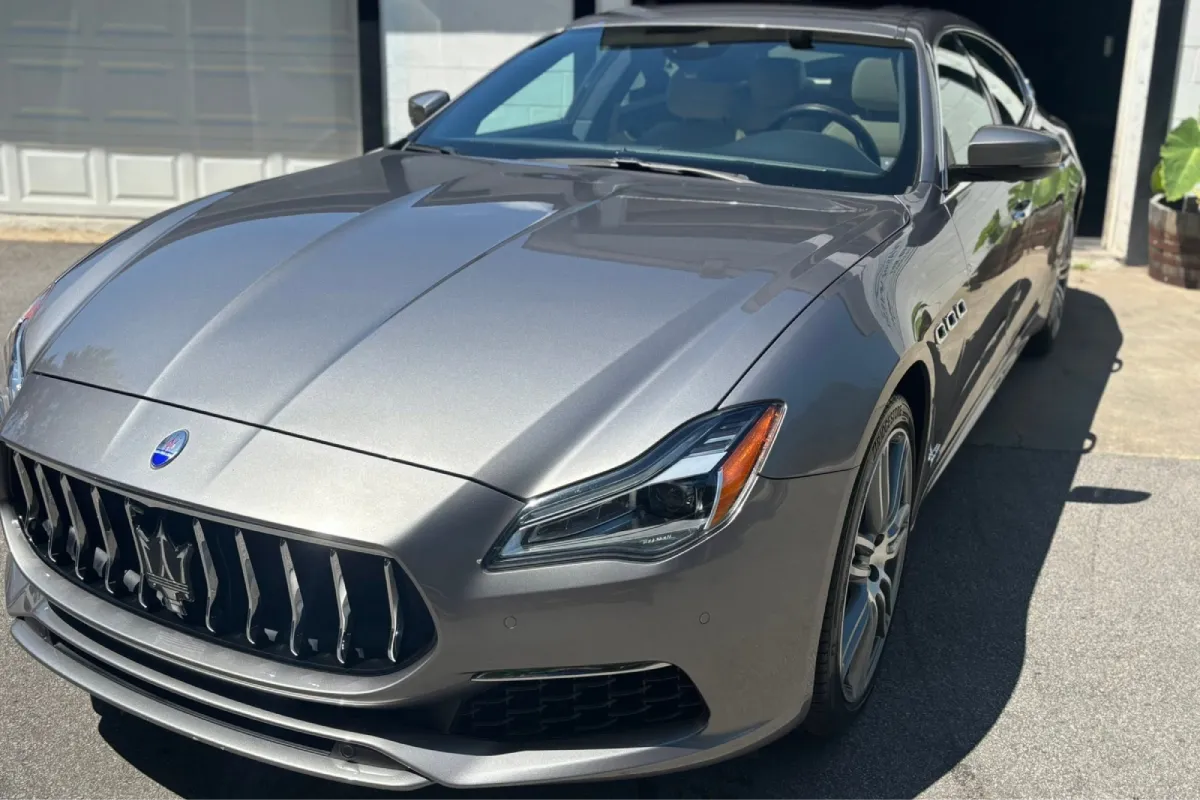
During a recent vehicle restoration project for a client, our technical team examined how regional pine pollen, red clay dust, and highway grit combine to form a dense optical barrier. Implementing a precision-grade paint correction in Knightdale service allowed us to strip away these masking layers, exposing the raw clear coat beneath so we could permanently correct deep swirl marks and restore factory gloss.
Chronological Stages of Paint Correction and Defect Revelation
Uncovering the true condition of automotive paint requires a systematic, multi-stage polishing protocol designed to strip away contaminants and level imperfections safely. When vehicle owners seek out reliable Knightdale, NC paint correction solutions, following a meticulous, step-by-step restoration workflow ensures flawless and permanent results.
- Chemical Decontamination
Dissolve embedded iron fallout, road tar, and bonded tree sap to clear the outer surface before physical machine work begins.
- Heavy Cutting (Compounding)
Abrasive pads level the high points of the clear coat, stripping away oxidized material and revealing underlying deep scratches.
- Refinement (Polishing)
Finer micro-abrasives eliminate compounding haze, restoring sharp optical clarity and maximum gloss to the exposed panels.
- Protective Sealing
Lock in the flawless, unmasked finish immediately using a professional ceramic coating or paint protection film.
We routinely assist drivers from surrounding communities like Raleigh, Wake Forest, and Rolesville through these exact restoration phases. Ensuring that every Knightdale paint correction project receives proper multi-stage treatment guarantees that once defects are unmasked, they are permanently leveled out rather than temporarily hidden.
How-to: Inspecting Paint Clarity and Uncovering Masked Defects
Determining whether your vehicle’s paint is genuinely flawless or merely hiding defects beneath temporary fillers can be evaluated through a structured inspection routine. Follow these core steps:
- Perform an Isopropyl Alcohol (IPA) Wipe Down: Spray a 50/50 IPA and water solution onto a test panel and wipe clean with a plush microfiber towel to strip away residual polishing oils.
- Scan Under a High-Intensity Scuff Light: Position a dual-chip LED inspection light at a sharp angle across the panel to reveal true underlying swirl marks and micro-scratches.
- Evaluate Surface Reflectivity: Check if reflection edges appear sharp and distortion-free; hazy or fuzzy reflections indicate remaining subsurface defects or filling residues.
Whether you maintain a daily driver or a weekend collector car, executing this rigorous inspection process prevents poor-quality cover-ups. Professional-grade paint correction in Knightdale, NC depends entirely on absolute transparency and verified surface perfection before any ceramic coating is applied.
Debunking the Myth: “Polishing Your Car Thins the Paint So Much That It Will Instantly Destroy the Clear Coat”
A widespread industry misconception is that machine paint correction strips away so much clear coat that it leaves the vehicle’s paint dangerously thin, structurally compromised, and vulnerable to immediate failure.
In reality, professional paint correction removes a microscopic fraction of material, typically measured in mere microns (often less than 5% of total clear coat thickness), while eliminating years of oxidized, dead, and damaged paint. Modern automotive clear coats are engineered with enough thickness to endure multiple professional corrections over a vehicle’s lifespan. The real danger comes from inexperienced operators using aggressive rotary tools without a digital paint depth gauge, rather than the correction process itself.
Elevating Your Vehicle Protection Standards
To address the common challenges of automotive ownership, where environmental fallout and hidden surface defects compromise your car’s true beauty, we anchor our detailing processes in a rigorous quality framework.
At WashNWerk Detailing and Ceramic Coatings, Wash NWerk comes across as a family-owned, relationship-focused, quality-driven shop. We position ourselves as “Your trusted partner in vehicle care and protection,” emphasizing friendliness and dependability while bringing over 20 years of professional expertise to every project. Guided by excellence with transparency, long-term protection over quick fixes, and client satisfaction as our absolute promise, we ensure you enjoy complete peace of mind.
When you entrust your car, truck, RV, or boat to our certified installers, we execute a meticulous process designed to bring back that showroom gloss and depth while dramatically improving surface clarity and reflectivity. By thoroughly leveling and refining the finish, we create the perfect foundation for ceramic coating or paint protection film. As a family-owned, quality-driven shop serving Raleigh, Wake Forest, Rolesville, and surrounding NC communities for over 20 years, we remain deeply focused on building relationships through transparent service. Utilizing top-quality products that are locally sourced and expertly applied, we deliver long-term protection, not quick fixes, because client satisfaction is our promise. You can rely on our dependable, quality care for your most valuable assets, allowing you to enjoy peace of mind with every service and spend less time on maintenance and more on the road.
Restore Your Paint’s True Brilliance Today
Leaving your vehicle’s paint covered in hidden contamination and masked defects prevents it from achieving its true aesthetic potential. At WashNWerk Detailing and Ceramic Coatings, professional paint correction and expert craftsmanship help restore clarity, depth, and a brilliant finish you can be proud of.
Contact us today to schedule your paint correction consultation, and experience the ultimate return of mirror-like depth, flawless clarity, and long-lasting peace of mind!
Frequently Asked Questions
Can I remove deep scratches completely with paint correction?
Scratches that catch your fingernail have penetrated through the clear coat into the base color coat and cannot be fully polished out; they require touch-up paint or panel respraying.
Why do swirl marks sometimes reappear a few weeks after detailing?
If a detailer used cheap, heavy-filling glazes instead of true permanent polishing abrasions, the fillers washed away over time, re-exposing the original hidden defects.
Is paint correction required before applying a ceramic coating?
Yes. Applying a ceramic coating over uncorrected, contaminated paint permanently locks in existing defects and swirls beneath an impenetrable glass shield.
How often should a vehicle undergo professional paint correction?
Most vehicles only require true paint correction once every few years when maintained properly with safe wash techniques and ceramic protection.
Does paint correction work on matte or satin factory paint?
No. Polishing matte or satin paint will buff the textured finish into a glossy shine; special non-abrasive chemical methods must be used instead.