Ceramic coating protects your vehicle’s paint by forming a durable layer of SiO₂ (silicon dioxide) that acts as a barrier against UV rays and road salt. This helps reduce oxidation, fading, and corrosion caused by prolonged exposure to harsh environmental conditions. It also makes the surface more resistant to contaminants bonding to the clear coat, helping preserve the paint’s finish over time.
Understanding the Shield: Technical Specifications
To understand how a liquid glass coating survives the harsh environments of the Southeast, it is important to define the core features of the technology. When you invest in a Rolesville ceramic coating, you aren’t just getting a temporary wax; you are applying a sophisticated chemical polymer that bonds at a molecular level.
- 9H Hardness: This is a rating on the Pencil Hardness Scale. While no coating is “scratch-proof,” a 9H rating indicates significant resistance to minor marring, fine swirl marks, and environmental etching.
- Hydrophobicity: This is the physical property of repelling water. In a professional application, this causes rain, road salt, and winter slush to bead up and slide off the surface rather than bonding to your paint.
- Thermal Resistance: High-quality coatings can withstand temperatures up to 1,000°F. This ensures the UV-blocking inhibitors remain stable even under the punishing summer sun.
- SiO2 Concentration: Silicon Dioxide is the primary active ingredient. Higher concentrations in professional-grade products offer deeper gloss and significantly longer durability than over-the-counter sprays.
The Defensive Framework: Road Salt vs. UV Radiation
While both road salt and UV rays degrade your vehicle, they attack the surface in different ways. A professional ceramic coating in Rolesville, NC, addresses both through distinct mechanical properties.
Comparison: Road Salt Corrosion vs. UV Oxidation
| Threat Factor | Impact on Unprotected Paint | Ceramic Coating Defense |
| Road Salt & Brine | Accelerates rust and eats through the clear coat. | Chemical-resistant barrier prevents salt-to-paint contact. |
| UV Radiation | Causes fading, chalking, and eventual clear coat failure. | UV inhibitors reflect radiation and prevent oxidation. |
| Moisture & Ice | Traps contaminants against the surface. | A hydrophobic surface makes ice and slush easy to rinse away. |
| Industrial Fallout | Bonds to the paint, causing a rough texture. | Slick surface prevents contaminants from embedding. |
3 Ways Ceramic Coating Optimizes Vehicle Care
- Chemical Neutralization: The coating is chemically inert, meaning it won’t react with the calcium chloride or rock salt used on winter roads. This prevents the “pitting” often seen on older vehicles.
- Solar Reflection: By creating a smooth, dense surface at the molecular level, the coating reflects light more efficiently. This prevents the “baking” effect of the sun that leads to fading on hoods and roofs.
- Self-Cleaning Properties: Because the surface is so slick, the bulk of road salt is removed during a simple pressure rinse. During a recent project for a client in Raleigh, we demonstrated how a coated vehicle requires 70% less physical agitation to clean compared to an uncoated one.
The Mechanical Advantage of Chemical Bonding
Unlike traditional waxes that merely sit on top of the paint, a professional ceramic coating creates a semi-permanent bond with the clear coat. This molecular integration ensures that the protection doesn’t wash away after a few heavy rains or a trip through a touchless wash. By filling in the microscopic pores of the factory finish, the coating creates a surface so dense that contaminants like industrial fallout and tree sap struggle to find a foothold. This mechanical advantage is why vehicles treated by a Certified Coating Installer maintain their depth and clarity significantly longer than those relying on temporary sealants.
Enhancing Resale Value through Documented Care
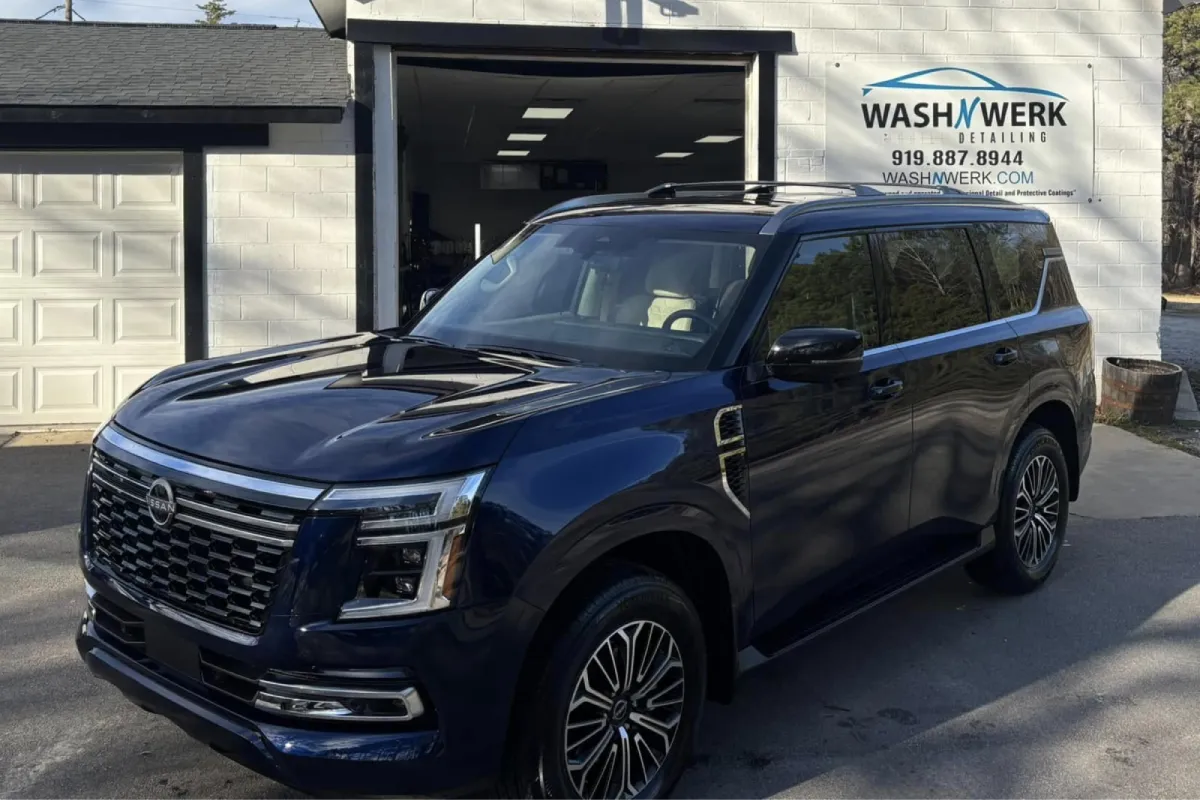
Beyond the immediate visual appeal, investing in a high-quality Rolesville, NC, ceramic coating serves as a vital safeguard for your vehicle’s future resale value. When it comes time to sell or trade in your asset, a documented history of professional paint protection proves to buyers that the exterior has been shielded from the oxidative effects of the North Carolina sun. This proactive approach prevents the common “chalking” and clear coat failure that often plagues older vehicles in Raleigh. By maintaining the paint’s structural integrity today, you ensure a higher return on your investment tomorrow, keeping your vehicle in high demand.
Excellence in Vehicle Care: Applying the “WashNWerk Protocol”
At WashNWerk Detailing and Ceramic Coatings, we don’t believe in “one-size-fits-all” solutions. We utilize a proprietary process we call the NWerk Protocol. This is our secret language for excellence, developed over 20+ years of professional expertise.
The NWerk Protocol is a multi-stage system that begins with decontamination and multi-stage paint correction to ensure the surface is flawless before the coating is applied. Unlike quick-fix shops, we focus on Long-term protection over quick fixes. As a Certified Coating Installer, we use Top-quality, often locally-sourced products to ensure your vehicle can Maintain That Showroom Shine for Years to come.
By following the WashNWerk Protocol, we ensure that our ceramic coating applications provide:
- Excellence with transparency: We provide clear communication and a No-hidden-fee pricing guarantee.
- Dependable results: We are Local & family-owned, meaning we treat your vehicle like it’s our own.
- Peace of mind: Our goal is to make you feel relaxed and proud every time you see your car.
Whether you are driving a daily commuter in Knightdale or a high-value asset in Morrisville, our Excellence in Vehicle Care with Transparent Service ensures your investment is protected against fading, Oxidation, and Chemical Stains.
Debunking the Myth: “Ceramic Coating is an Impenetrable Suit of Armor”
A common industry misconception is that a ceramic coating makes your car “scratch-proof” or “rock-chip proof.” In reality, while a 9H coating is much harder than your factory clear coat and excels at resisting environmental damage, it cannot stop the kinetic energy of a large rock flying at highway speeds. For impact protection, we often recommend pairing a ceramic coating in Rolesville with Paint Protection Film. Ceramic coating is your primary defense against chemical and solar attacks, while PPF is your defense against physical debris.
Why Local Expertise Matters
Choosing a ceramic coating provider isn’t just about the product; it’s about the relationship. Being locally owned and operated allows us to understand the specific environmental challenges in North Carolina, from the heavy pollen seasons to the occasional brine-heavy winters. We are Focused on building relationships, and Client satisfaction is our promise. If you’re ever not fully satisfied, we’ll make it right. That is our Quality care for your most valuable assets.
Conclusion: Enjoy Peace of Mind with Every Service
Your vehicle is one of your most valuable assets. Protecting it from the elements shouldn’t be a source of stress. Choosing a professional ceramic coating means choosing excellence in vehicle care and a finish that is Dependable in any weather.
At WashNWerk Detailing and Ceramic Coatings, we invite you to experience the difference that a family-owned touch can make. We want you to feel confident that your investment is secure, so you can stay focused on the road ahead.
Ready to protect your investment and maintain that showroom shine? Contact us today and see how WashNWerk can give you the long-term protection your vehicle deserves!
Frequently Asked Questions
Does ceramic coating protect against “love bugs” and bird droppings?
Yes. The acidic nature of bird droppings and bug guts can etch into unprotected clear coat in a matter of hours. A ceramic coating provides a chemical-resistant buffer that prevents these acids from reaching your paint, giving you much more time to rinse them off safely.
How long does a professional coating last compared to a wax?
A traditional wax or sealant may last 2-4 months. A professional ceramic coating applied by a Certified Coating Installer can last between 3 to 9 years, depending on the package chosen and how the vehicle is maintained.
Can I apply ceramic coating to my wheels and glass?
Absolutely. In fact, applying a coating to wheels is one of the best ways to prevent brake dust from “burning” into the finish. On glass, it acts like a permanent rain repellent, significantly improving visibility during heavy North Carolina downpours.
Will I still need to wash my car?
Yes, but you will spend less time cleaning and more time enjoying your ride. The coating prevents dirt from bonding, so a simple maintenance wash becomes much faster and easier. You will spend less time on maintenance and more on the road.