Yes, professional window tinting is the primary secret to preserving a vehicle’s cabin because it blocks up to 99% of harmful ultraviolet rays. By creating a functional barrier against solar radiation, high-quality films prevent dashboard structural cracking and premature upholstery fading while maintaining the vehicle’s long-term resale value.
The sun is a relentless force that degrades automotive materials through constant exposure. When you leave your vehicle parked in an open lot, it becomes a greenhouse, trapping heat and allowing UV rays to bombard every square inch of the cabin. To determine whether window tinting is truly the “secret” to interior longevity, we must examine the science of solar energy and the advanced materials engineered to combat it.
How Different Tint Materials Compare
Choosing the right film is crucial, as not all materials provide the same level of defense against the elements. While some products are designed purely for aesthetics, others are engineered for high-performance heat rejection and material preservation.
| Tint Type | UV Rejection | Heat Reduction | Durability |
| Standard Dyed Film | Moderate | Low | Prone to color shifting |
| Metalized Film | High | Moderate | May interfere with electronics |
| Carbon Film | High | High | Excellent matte finish |
| Ceramic Film | Highest | Highest | Top-tier clarity and rejection |
For drivers who spend significant time on the road, investing in high-quality window tint in Rolesville, NC, professionals offer ensures that these performance benchmarks are actually met. A ceramic film provides a massive jump in protection compared to entry-level dyed options that eventually turn purple.
Why UV Rays Are Your Interior’s Worst Enemy
The sun damages your vehicle through three primary mechanisms that gradually destroy the integrity of your cabin:
- Photodegradation: This chemical process occurs when UV light breaks down chemical bonds in plastics, vinyl, and leather dyes. Over time, this leads to the “bleaching” effect seen on seats and rear decks.
- Heat Absorption: Trapped infrared light raises cabin temperatures. This causes materials to expand and contract, which eventually leads to the brittle, cracked dashboards common in older vehicles.
- Visible Light Exposure: While less damaging than UV, intense visible light contributes to the gradual washing out of interior colors, making a black interior look grey or ashy.
Debunking the Myth: Darker Tint Means Better Protection
A common industry misconception is that the darkness of the tint, the Visible Light Transmission (VLT) percentage, is the sole indicator of UV protection. This is fundamentally false. UV protection is provided by specialized absorbers embedded within the film layers, not by the pigment’s darkness.
In fact, you can install a nearly transparent ceramic film that offers 99% UV rejection. When seeking window tinting in Rolesville, NC specialists, it is vital to focus on the Total Solar Energy Rejection (TSER) and UV rejection ratings rather than just the aesthetic shade of the glass.
Applying a Structured Approach to Window Film Protection
To ensure every vehicle receives the highest level of protection, a structured, data-driven approach to window film application is essential. This method focuses on how solar energy interacts with automotive glass and interior materials to maximize heat rejection, UV protection, and long-term durability.
A professional installation process typically follows a four-stage protocol:
- Substrate Analysis:
The factory glass is evaluated first. Many modern vehicles already have a slight thermal tint, so selecting a film that complements the existing glass properties helps achieve optimal performance and clarity. - Climate Calibration:
Local solar intensity, sun angle, and humidity levels influence how window films perform over time. Film selection and installation methods are adjusted to ensure strong adhesion and consistent heat rejection. - Precision Edge Sealing:
UV exposure often begins at the edges of poorly installed film. Professional techniques focus on tight edge alignment and precise trimming to minimize light gaps and protect interior materials such as leather, trim, and dashboards. - Signal Compatibility:
High-quality non-conductive films are prioritized to ensure protection from heat and UV rays without interfering with GPS, cellular connectivity, radio signals, or other in-vehicle electronics
The Role of Professional Installation
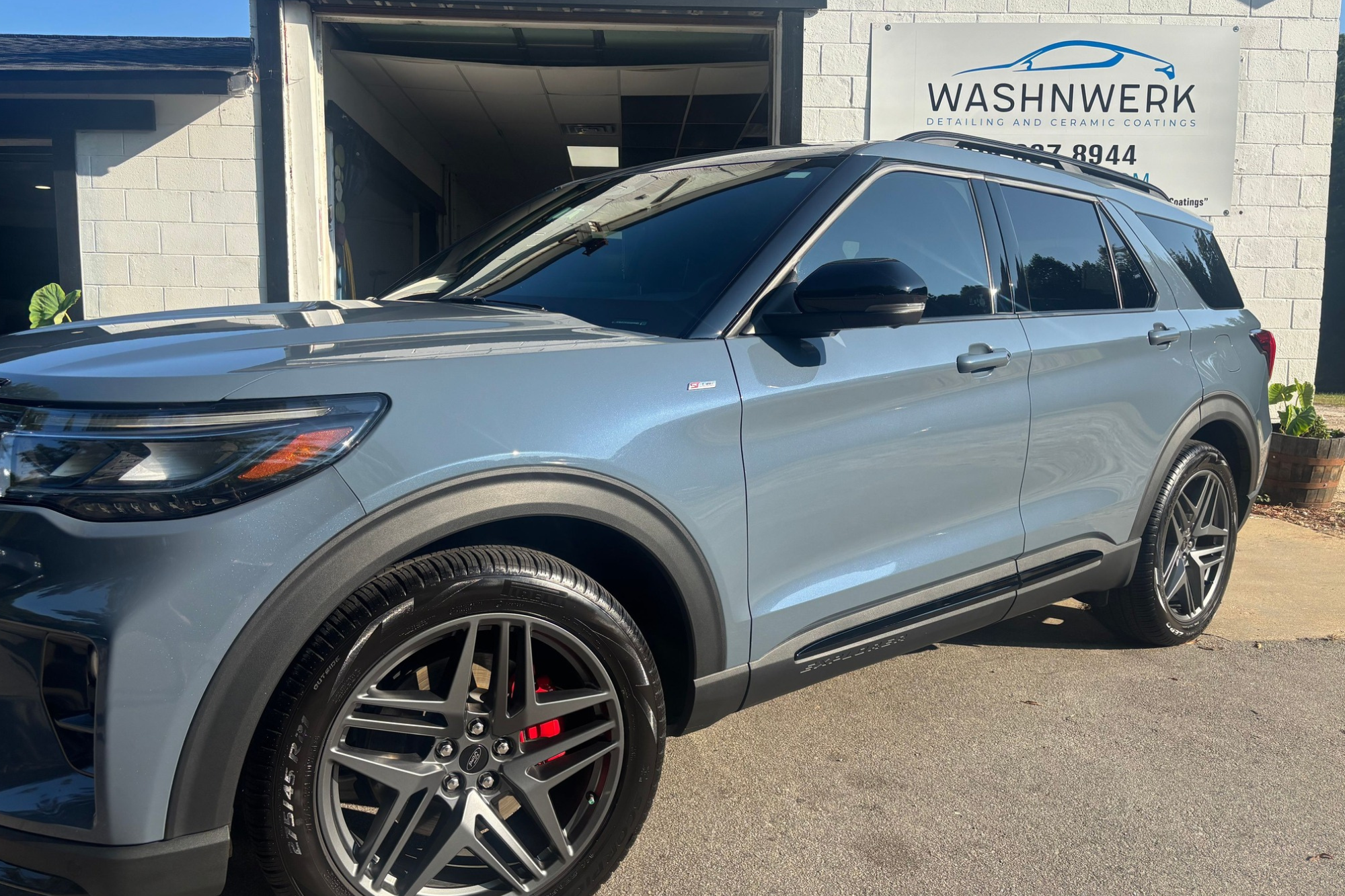
While many DIY kits are available, they often lack the chemical stabilizers found in professional-grade films. Choosing the Rolesville, NC window tinting standard ensures that the film is cured correctly, providing a crystal-clear view and a permanent bond that won’t bubble or peel under intense heat. Professional application also guarantees that the film is handled in a dust-free environment, preventing the small bumps and imperfections common in home installs.
Key Benefits of UV-Rejecting Films
- Preserved Resale Value: A vehicle with a “like-new” interior commands a significantly higher price. By preventing cracks and fades, the tint pays for itself.
- Health and Safety: UV rays are linked to skin aging and more serious health concerns. Protecting the cabin also means protecting the passengers who sit inside it.
- Reduced Strain on Components: By rejecting heat, your air conditioning system does not have to work as hard. This reduces wear and tear on your blower motor and compressor.
The expert window tinting in Rolesville teams provide can help you determine the exact specifications needed to achieve these benefits without compromising your vision or safety.
In Summary
Is window tinting the secret to protecting your car’s interior? The evidence points to a resounding yes. By addressing the root causes of interior degradation, specifically UV radiation and infrared heat, professional window film acts as a long-term protective barrier for your vehicle. At WashNWerk Detailing and Ceramic Coatings, high-quality window tinting helps shield interiors from sun damage while preserving the look and condition of leather, dashboards, and trim. Whether you want to keep your leather supple or your dashboard smooth, installing premium window film is one of the most cost-effective ways to protect your investment. Contact us today to learn more about protecting your vehicle’s interior.
People Also Ask
- Does window tinting block 100% of UV rays?
Most high-quality professional tints block approximately 99% of UV rays. While 100% is difficult to achieve due to the very edges of the glass, a 99% reduction is sufficient to stop interior fading and skin damage.
- Will window tint make it harder to see at night?
Not necessarily. Because UV protection isn’t tied to darkness, you can choose a high-VLT (lighter) film that provides maximum protection without compromising your nighttime visibility.
- How long does professional window tinting last?
When using premium materials like those found in our ceramic lines, the film is designed to last the lifetime of the vehicle without bubbling, peeling, or changing color.
- Is it legal to tint the front windshield?
Laws vary by state. However, many states allow a clear UV-blocking film on the entire windshield or a dark strip at the very top (the AS-1 line) to reduce glare and protect the dashboard.